

Iwi and Mana Whenua
36°4'52.744''S 174°35'56.036''E
Paparoa
A story of connection
Kaipara was home to the first Māori voyagers who crossed vast oceans to arrive at these shores. The descendants of Māhuhu-ki-te-rangi journeyed across the harbour’s sweeping tides, anchoring their whakapapa deep into the whenua. From these early footsteps grew the iwi who hold mana whenua today, each carrying enduring bonds to the land, waters, forests, and skies of Kaipara.
Today, mana whenua continue to walk in the footsteps of their tūpuna (ancestors), nurturing the whenua, protecting the harbour, restoring ecosystems, revitalising language and culture, and helping all people of Kaipara to thrive. Their role remains as it has always been — kaitiaki of a living legacy, shaping the journey of Kaipara for generations to come.
Te Uri o Hau
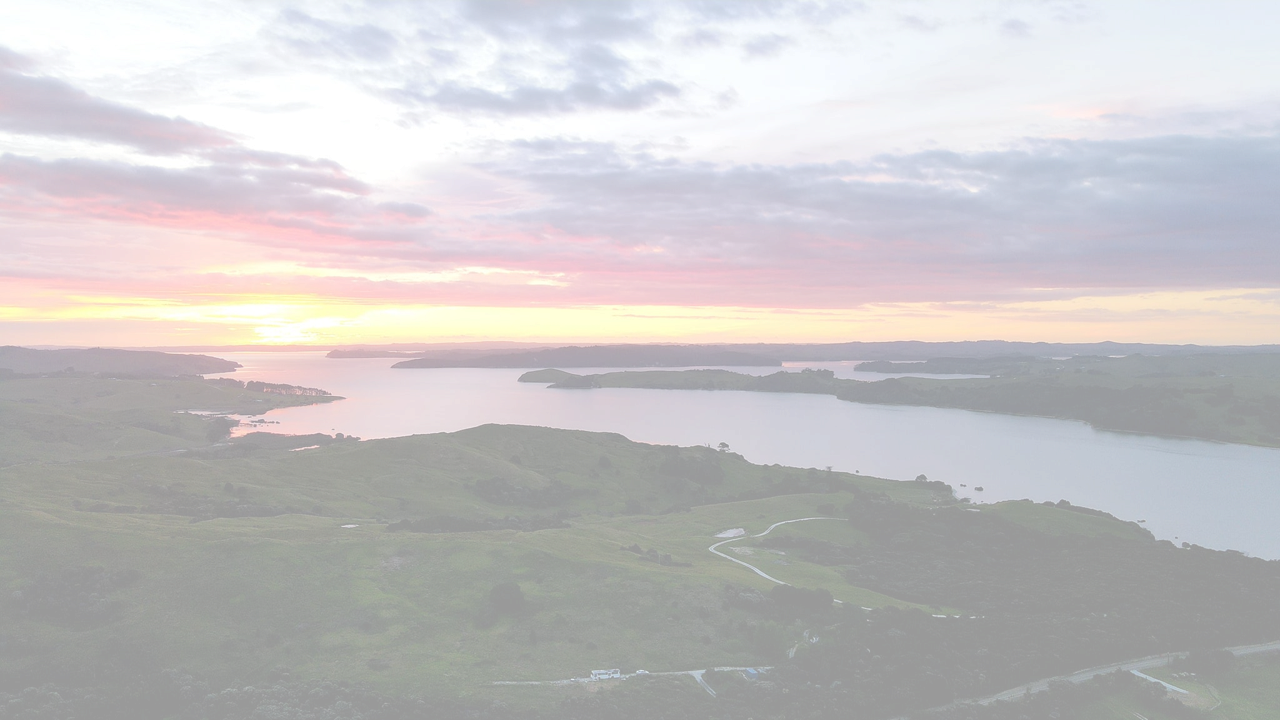
A hapū of Ngāti Whātua, Te Uri o Hau are tangata whenua of the upper Kaipara Moana, with strong ancestral, cultural, and spiritual connections to the whenua and moana. They are active kaitiaki, upholding environmental, social, and economic wellbeing for their people.
Te Roroa
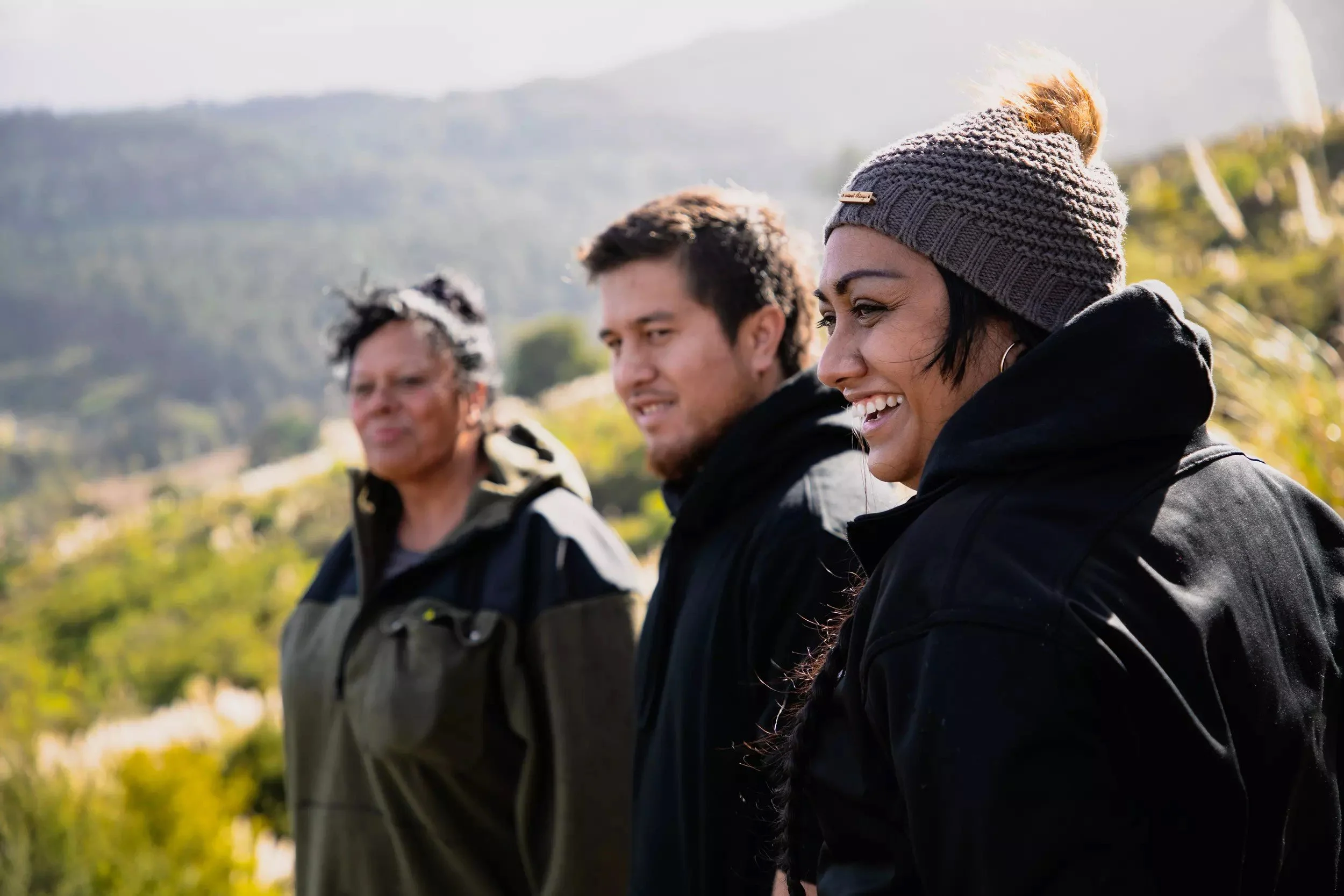
Te Roroa hold mana whenua over Dargaville, Kai Iwi Lakes, Tokatoka, Manganui Bluff and the Waipoua Forest, including the guardianship of Tāne Mahuta, the ancient kauri. Their deep connection to ngāhere and whenua guides their ongoing role as protectors of these taonga.
Te Kuihi
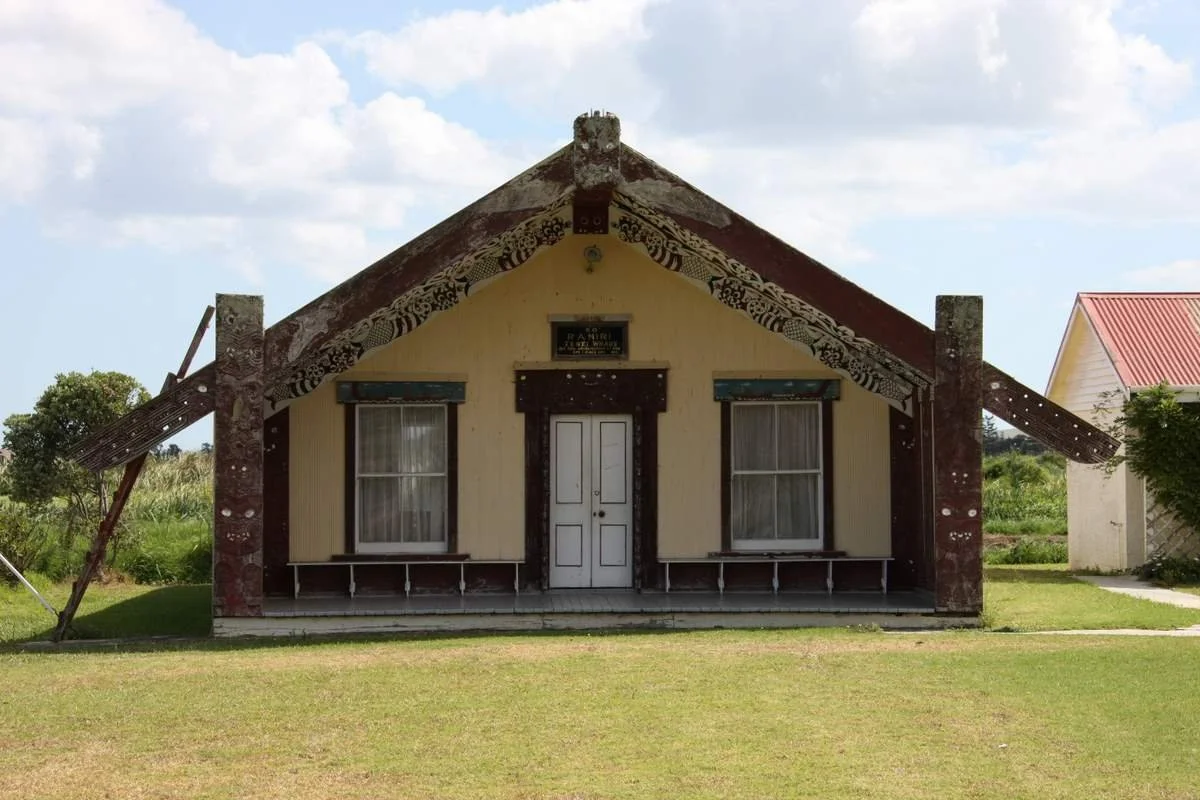
Te Kuihi is a hapū of Te Roroa. Their esteemed tūpuna, the rangatira Parore Te Āwha, was instrumental in the establishment of peaceful relations and trade with Pākehā settlers. Notably, he was instrumental in transferring the Tunatahi block, which became the foundation for the town of Dargaville.

Ngāti Whatua
The rohe of Ngāti Whātua stretches across the Kaipara Harbour and beyond, with ancestral ties stretching back many generations. Their rohe extends from the northern Kaipara Harbour to Tāmaki Makaurau, anchored by deep relationships with the land, harbour, and people.
Ngāti Manuhiri
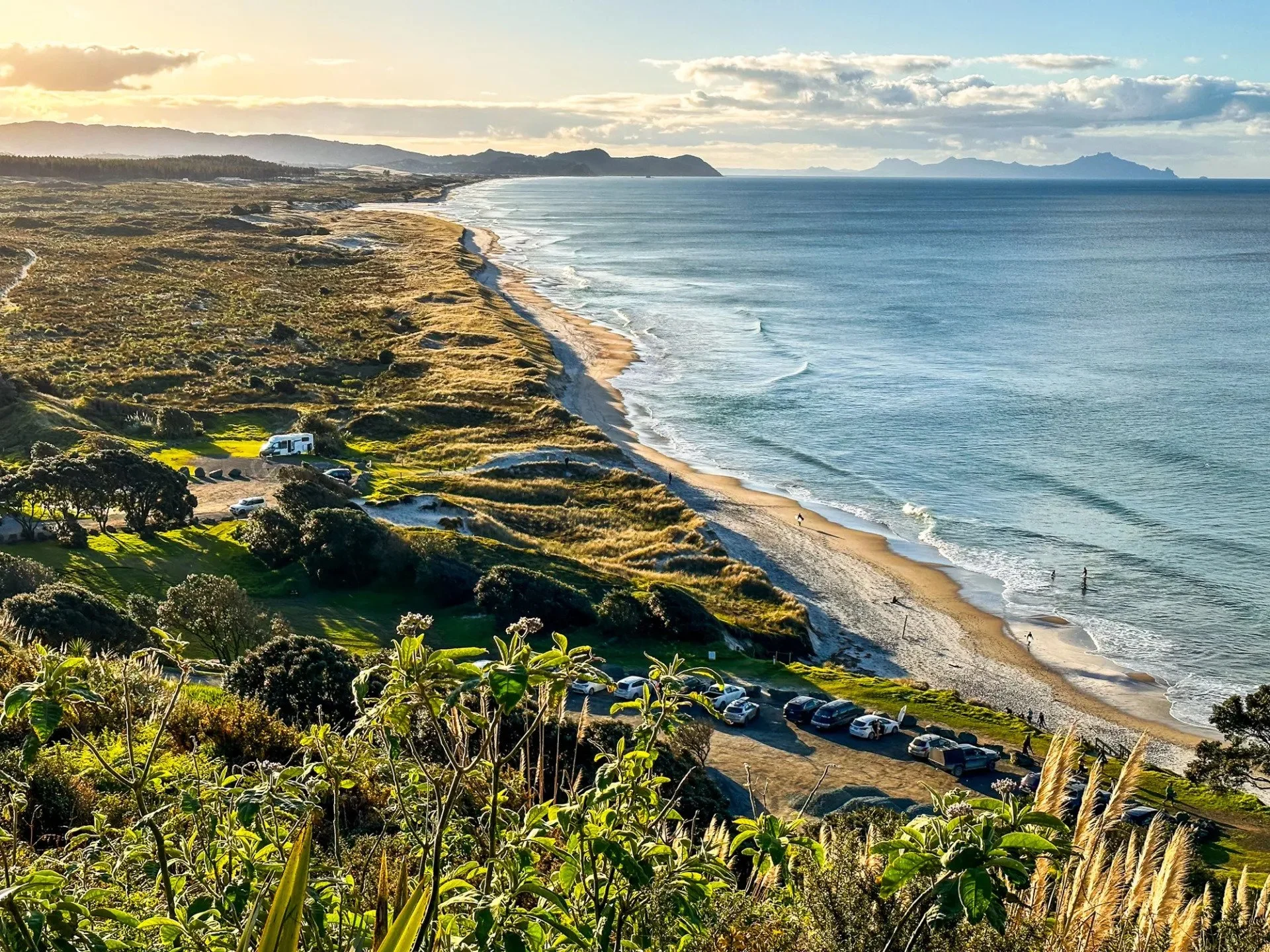
The rohe of Ngāti Manuhiri spans the coastal areas from Mangawhai to Mahurangi. As descendants of the Tainui waka, they hold enduring connections to both land and sea, and continue their role as kaitiaki of these important places.
Ngātiwai
Ngātiwai rohe extends from the east coast islands to parts of the Kaipara. Known as the ‘people of the sea’, their identity reflects deep maritime traditions and an enduring relationship with both coastal and inland environments.
Te Parawhau
Te Parawhau hold ancestral ties to both Whangārei and Kaipara, with whakapapa linking them across the northern rohe. Their traditions, marae, and whenua reflect a rich cultural heritage passed down through generations.
Ngāpuhi
As Aotearoa’s largest iwi, Ngāpuhi whakapapa stretches across Northland and into parts of Kaipara. Their strong connections to whenua, whakapapa, and tikanga continue to guide and strengthen their people today.